What information you need when requesting a transport quote

A vague enquiry gets a vague quote. The more clearly you describe your shipment, the faster and more accurately a transporter can price it, and the fewer surprises later. Here's what to have ready.
Collection and delivery points
Start with where the cargo is and where it needs to go. For imports, the collection point is usually the port or a named CFS; for the delivery, a full address and any site access notes help. Route and distance are the foundation of any quote.
What you're moving
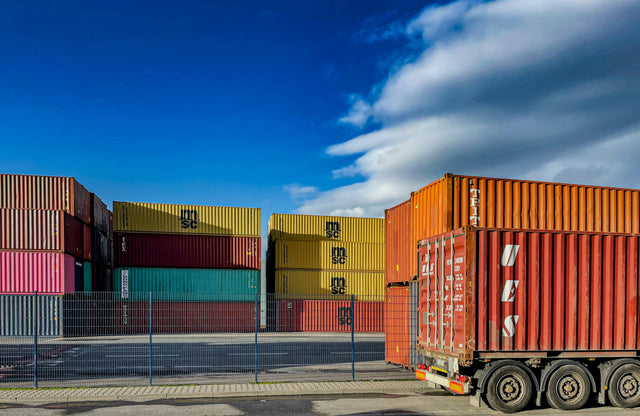
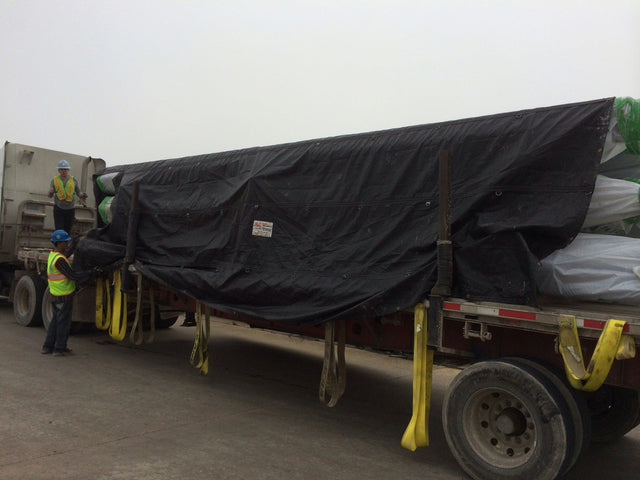
Describe the cargo type: container, steel, general goods and so on. If it's a container, the size (20ft or 40ft) matters; our guide to choosing a container size explains why. For loose goods, an idea of what they are helps us plan securing and equipment.
Weight and dimensions
Approximate weight, and dimensions for anything oversized, lets a transporter match the right vehicle and plan a safe, compliant load. If you're unsure of exact figures, an estimate is far better than nothing.
Timing
Tell us your preferred collection date or window. For containers, timing around your release date helps keep storage costs down. See avoiding demurrage.
Documentation and release
The transporter doesn't clear your cargo, that's handled by your clearing agent through customs, but knowing whether a container is released affects when it can move. Kenya's trade documentation runs through the Kenya Trade Network Agency single window, and your agent manages this side.
Frequently asked questions
Do I need exact weights to get a quote? No, a good estimate is enough to start. Accurate figures simply make the final quote firmer.
Can you quote before my container is released? Yes. We can plan and quote in advance, then time the collection around your release.
What if my cargo is unusual or oversized? Share the dimensions and details, and we'll advise on the right approach.
Ready to price your shipment? Request a quote, contact us, or browse the FAQ. We reply with a clear, honest response.