Container transport vs general cargo transport: what's the difference?

"Cargo transport" covers two quite different jobs: moving sealed containers, and moving loose or palletised general cargo. Knowing which you need makes for a clearer brief and a more accurate quote.
Container transport
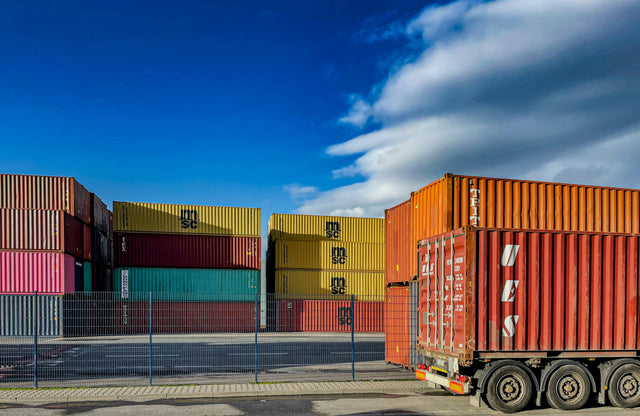
Container transport means moving a sealed shipping container, typically 20ft or 40ft, on a prime mover and trailer. The container is a fixed unit, so the main planning questions are size, weight and where it's collected and delivered. Most containerised imports move this way from the Port of Mombasa. If you're weighing up sizes, see 20ft vs 40ft container haulage.
General cargo transport
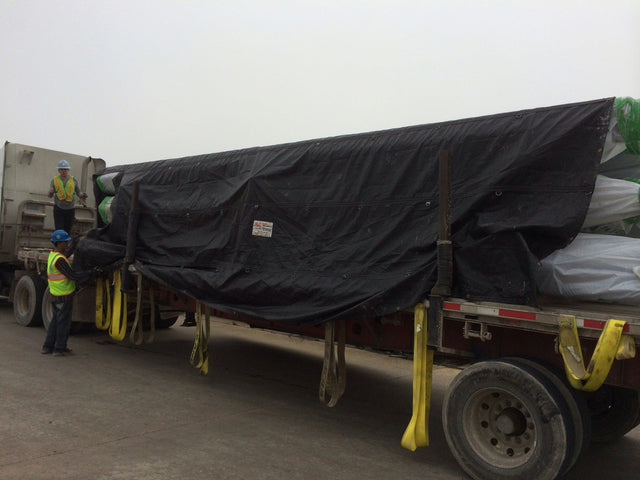
General cargo is everything that isn't a sealed container: palletised goods, loose items, bagged products and similar. Here the load itself varies, so securing, stacking and protecting the cargo becomes more hands-on. The right vehicle depends on the volume, weight and nature of the goods.
Where the difference really shows
The biggest practical differences are in handling and equipment. A container is loaded and unloaded as one unit; general cargo may be handled piece by piece. That affects timing, site requirements and how the load is secured for the road. Heavy or industrial items are a category of their own. See moving industrial cargo by road.
Which do you need?
If your goods arrived in a sealed container and you want it moved as-is, that's container transport. If you have goods to move that aren't in a container, or need to consolidate a mixed load, that's general cargo. Not sure? Describe what you're moving and we'll advise.
Whatever you're moving, we can help. Explore our cargo and container transport services or get a quote.